


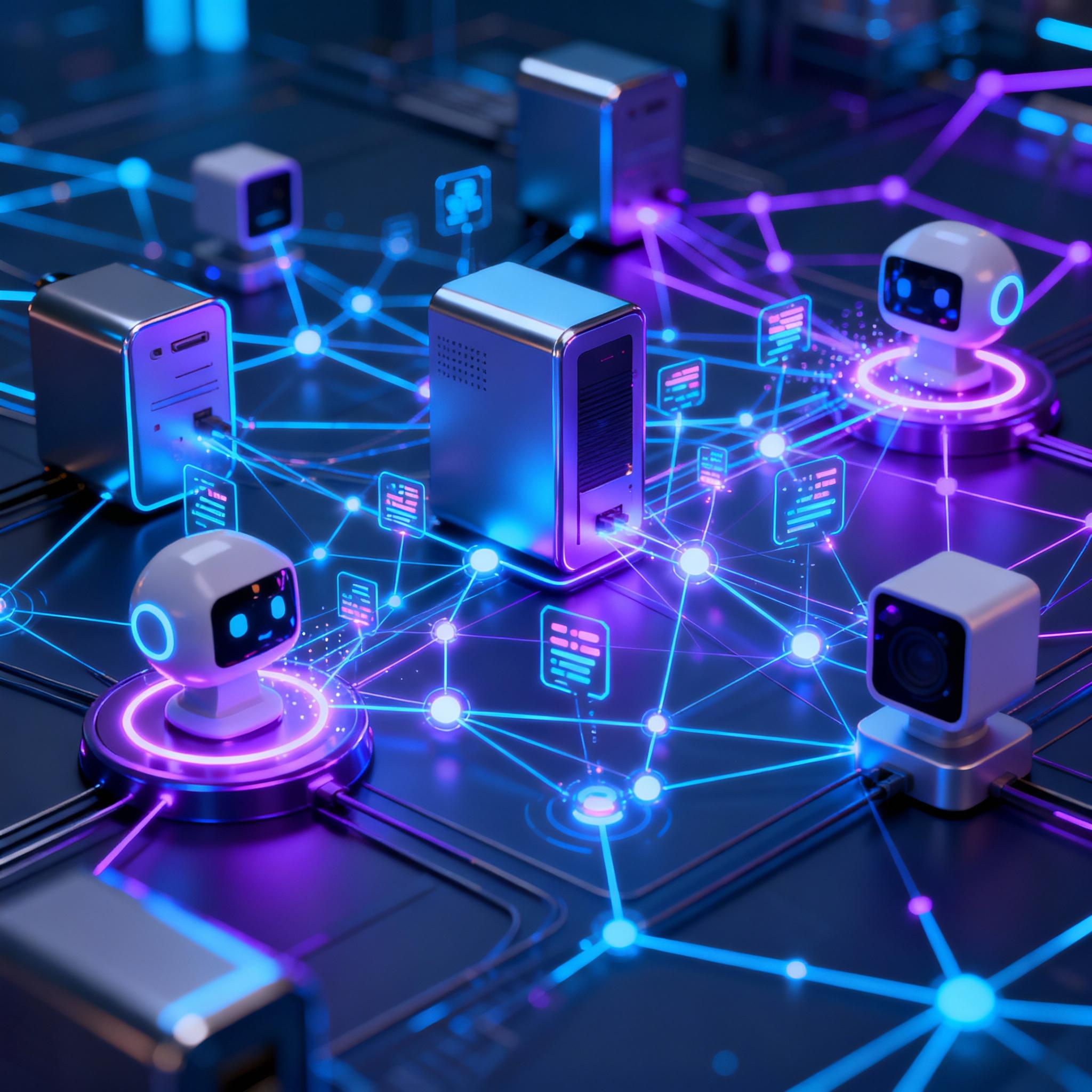
The Rise of Edge Computing: Empowering Real-Time Data Processing
As data volumes explode and latency becomes critical, edge computing has emerged as a game-changer in the tech landscape. Unlike traditional cloud computing, which processes data in centralized data centers, edge computing brings computation closer to the data sources—such as IoT devices, sensors, and mobile devices.
Benefits of Edge Computing
- Reduced Latency: Processing data near the source speeds up response times, essential for applications like autonomous vehicles, smart factories, and augmented reality.
- Improved Bandwidth Usage: Only relevant data is transmitted to the cloud, easing network congestion and lowering costs.
- Enhanced Security and Privacy: Localized data processing can reduce the risk of breaches during data transmission.
Applications Driving Edge Computing Growth
- Smart Cities: Traffic lights, utilities, and safety systems operate with real-time data insights.
- Healthcare: Remote patient monitoring devices analyze data instantly, enabling faster medical responses.
- Industrial IoT: Manufacturing lines detect defects or anomalies instantly for quality control.
Future Outlook
With 5G and faster networks, edge computing is set to underpin the next wave of digital innovation, making technology more responsive and context-aware. Businesses investing in edge infrastructure will gain a competitive edge by leveraging real-time data insights where they matter most.


